
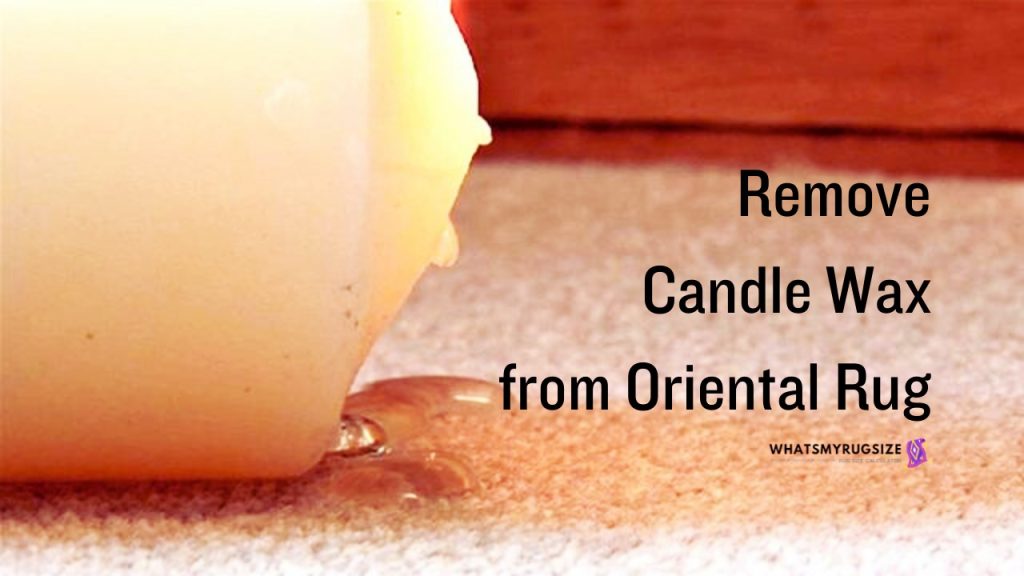
Candle wax comes off an oriental rug best cold. Freeze the wax hard with a bag of ice, scrape the brittle wax off with a dull knife, and lift the thin film left behind with a mild soap mix and careful blotting. An iron stays a last resort on wool. Heat can move rug dye into the pile, and a plain wax spot can turn into a color stain that no scraping can fix.
TL;DR:
- Freeze first: ice in a sealed bag on the wax, 10 minutes or more
- Scrape cold with a dull knife; warm wax smears and spreads
- Wool rule: heat last, low, and tested, since dye can move under heat
- Residue film: mild dish soap mix, blot, rinse, blot again
- Colored wax dye mark: rubbing alcohol dab on synthetics; test spot or a pro on wool
- Gum on a rug takes the same freeze trick
A candle on a side table tips during a holiday dinner, and a pool of wax lands on the edge of the rug. The pool sets hard in minutes on a cool floor. By the time the plates are cleared, the wax sits locked around the pile, right at the border pattern where every guest can see it. Your rug is wool, dyed in deep reds and blues, and the wax is a pale block on top of the pattern.
Most wax guides lead with a hot iron, and that order was written for plain carpet. On a dyed wool rug, a hot iron carries two risks at once. Heat can loosen rug dye and let color bleed into clean pile next to the spot. Heat also melts wax deeper, so wax that sat on the surface can sink to the base of the pile. A method that starts cold keeps both risks off the table.
This post gives you the freeze-first order for an oriental rug: the tools to gather, the scrape, the careful residue work, and the point where heat may enter with strict limits. You also get the wool vs synthetic safety rules for wax, and a plan for the dye mark a colored candle can leave behind. The rug stain removal guide on this site covers the wider stain map; this post stays on wax and wool.
Tools to gather before you start
- A bag of ice or an ice pack. Ice goes in a sealed bag, so meltwater stays off the rug.
- A dull knife or the edge of a spoon. A dull edge cracks wax off without cutting pile.
- Plain paper, a paper bag or white paper towels. Plain paper only; print and color on paper can transfer under heat.
- An iron. Low setting, no steam, and only for the last film if blotting falls short.
- White cotton cloths. White cloth shows you the wax and dye you lift, so you can judge progress.
- Clear dish soap. A few drops in cold water make the mix for residue work.
- Rubbing alcohol. A small amount on a cloth tackles a dye mark on synthetic rugs.
How to remove candle wax from an oriental rug, step by step
Step 1: Let fresh wax cool, then freeze it hard. Hot wax smears at a touch, so a fresh spill gets left alone until it firms up. Next, set the sealed bag of ice on the wax and leave it for at least 10 minutes. Iowa State University Extension gives the same timing for wax on carpet: an ice pack on the spot for 10 minutes or more, with care to keep meltwater out of the fibers. Cold wax turns brittle and lets go of the pile. The same freeze trick lifts chewing gum, and the gum removal guide on this site walks that job in full.
Step 2: Scrape with a dull knife. Work the dull edge under the edge of the wax block and crack it off in pieces. Short, gentle strokes beat one hard pull. A sharp knife can slice pile tips and leave a thin patch, so the dull edge is a rule, not a tip. Pick up the loose pieces by hand and vacuum the flakes, so no crumb stays behind to melt into the pile later.
Step 3: Blot the film with a soap mix. A thin wax film often stays in the pile after the scrape. Add a few drops of clear dish soap to cold water, dampen a white cloth, and blot the film. Blot, rinse the cloth, and blot again. The soap mix also lifts the greasy feel that scented candle wax leaves behind. Dry the spot with a clean cloth and check your progress before you reach for any heat.
Step 4: Use low heat only if a film stays, and only with limits. Lay plain paper over the spot. Set the iron to its lowest heat, steam off. Press for a few seconds at a time, then lift and check the paper. Wax moves into the paper as it softens; shift to a clean part of the paper and repeat. Stop at once if color shows on the paper: dye is moving, and the iron work ends there. A film that survives blotting and a short, low heat pass on a wool rug is a fair point to stop and call a pro.
Step 5: Treat a dye mark from colored wax. Colored candles can leave dye in the pile after the wax is gone. Dab a white cloth with rubbing alcohol and touch the mark with small, light dabs. Blot with a clean cloth after each few dabs. Synthetics take this step well after a test spot. Wool asks for a test spot in a hidden corner first and a light hand throughout, since alcohol can pull dye from wool as well as from wax.
Wool vs synthetic: safety rules for candle wax
Wool and oriental rugs. Freeze first, scrape second, blot third, heat last and low. Wool dye is the weak point in wax work, not the wool fiber itself. Heat plus pressure can move dye, and melted wax can carry loose dye across the spot. Steam stays off a wool rug for the same cause. A hand-knotted or antique piece with a large spill goes to a pro after the freeze and scrape, with the film left for pro hands.
Silk and viscose. Freeze and scrape only. Heat, alcohol, and soaking can all leave marks on silk and viscose pile. Residue on these fibers is a pro job.
Nylon. Nylon handles the full order well: freeze, scrape, soap mix, and a low iron pass after a test spot. Dye marks from colored wax take the alcohol dab with no drama in most cases.
Polyester and polypropylene. Freeze and scrape do the heavy work here too. Heat needs care for a different cause: these are plastic fibers, and a hot iron can soften and glaze the pile tips. Keep the iron on the lowest setting, keep passes short, and test a hidden spot first. Polypropylene also holds oily residue, so the soap mix step earns its place.
Cotton and jute. Freeze, scrape, and blot with small amounts of water. Dry the spot fast with a fan, since jute browns as it dries slow.
Colored wax and scented wax: the second problem
Clear wax leaves one job. Colored wax can leave two: the wax block, and a dye mark under it. Red and deep blue candle dyes are the usual offenders. The freeze and scrape still come first, since dye work on top of a wax block gets nowhere. After the wax is off, judge the mark in daylight. A faint dye tint on a synthetic rug takes the alcohol dab route from Step 5. A dye mark on wool gets a test spot, small dabs, and a low bar for stopping: a faded tint beats a pale patch where alcohol pulled rug dye out.
Scented wax adds a greasy film from fragrance oils. The film can hold dirt and darken over weeks, so the soap mix step matters even if the spot looks clean. Blot the soap mix in, rinse with cold water on a cloth, and blot dry. A spot that still feels slick needs one more soap round, not a stronger product.
Mistakes that turn a wax drip into a stain
- Iron first. Heat melts surface wax down into the pile base and spreads the spot past its edges. Cold first, always.
- A hot iron setting. High heat risks dye movement on wool and glazed tips on synthetics. Low heat, short presses, plain paper.
- Pulling soft wax. Warm wax stretches into strings and smears across clean pile. Patience while the spill cools saves the scrape.
- Printed or colored paper under the iron. Ink and paper dye can transfer into hot pile. Plain paper or white towels only.
- Scrubbing the residue. A brush frays pile and pushes film deeper. Blotting lifts; scrubbing spreads.
Candle wax FAQs
Can you freeze wax off a rug that cannot move?
Yes. The ice bag works in place, on the floor, with no need to move or lift the rug. Seal the ice in a bag, set a thin dry cloth under the bag if you want a guard layer, and give the wax its 10 minutes. Scrape and blot in place after that.
Does vinegar dissolve candle wax?
No. Vinegar does not melt wax, and a soak can wet the backing and add a second problem. Cold does the real work on wax: freeze it, scrape it, then blot the film. Save the vinegar for other jobs.
Should an antique oriental rug go to a pro?
A small drip at the edge, handled cold, is fair home work. A large spill, a center-field spill, or any dye movement under a test dab sends the rug to a pro. A pro can lift residue and treat dye with the rug flat, tested, and under control.
Final call
Freeze it, scrape it cold, blot the film, and let heat in last, low, and tested, if at all. That order takes wax off an oriental rug with the dye left where it belongs. A spill that fights the full order has earned a pro, and a pro call on a good rug is money well spent.
Sources: Freeze timing and the scrape, paper, and warm iron order match Iowa State University Extension AnswerLine stain guidance. Fiber rules match major rug maker care labels for wool, silk, nylon, polyester, and polypropylene.


Leave a comment