
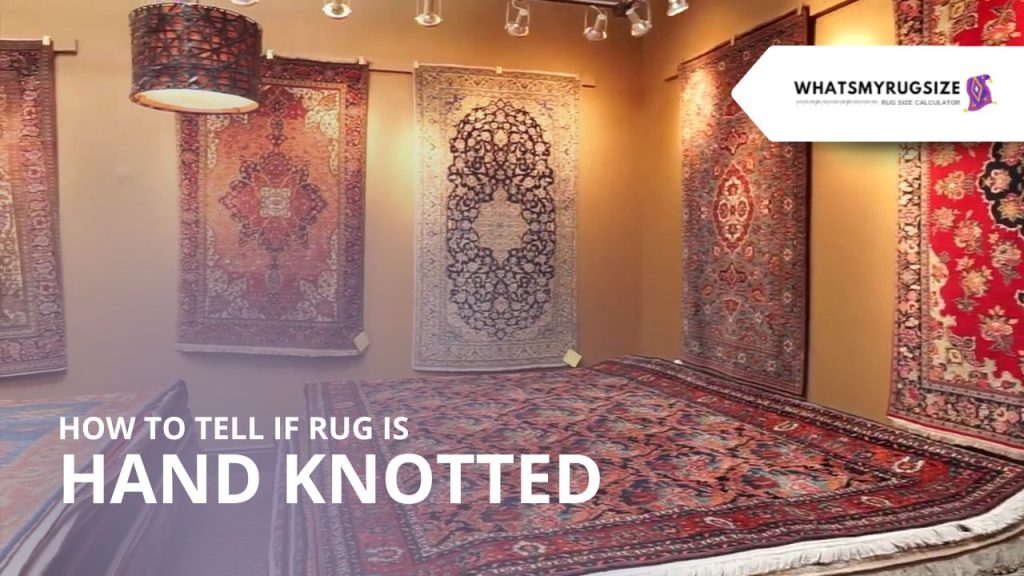
Have you ever wondered how experts effortlessly differentiate between hand-knotted and machine-made rugs? In this guide, we’ll reveal the secrets behind their discerning eyes and arm you with tactics to identify the authenticity of a rug.
How to tell if rug is hand knotted?
To identify a hand-knotted rug: Examine the front for unique imperfections. Feel the back for softness and inspect fringes, integrated for hand-knotted rugs. Check edges for slight irregularities, unlike machine-made rugs.
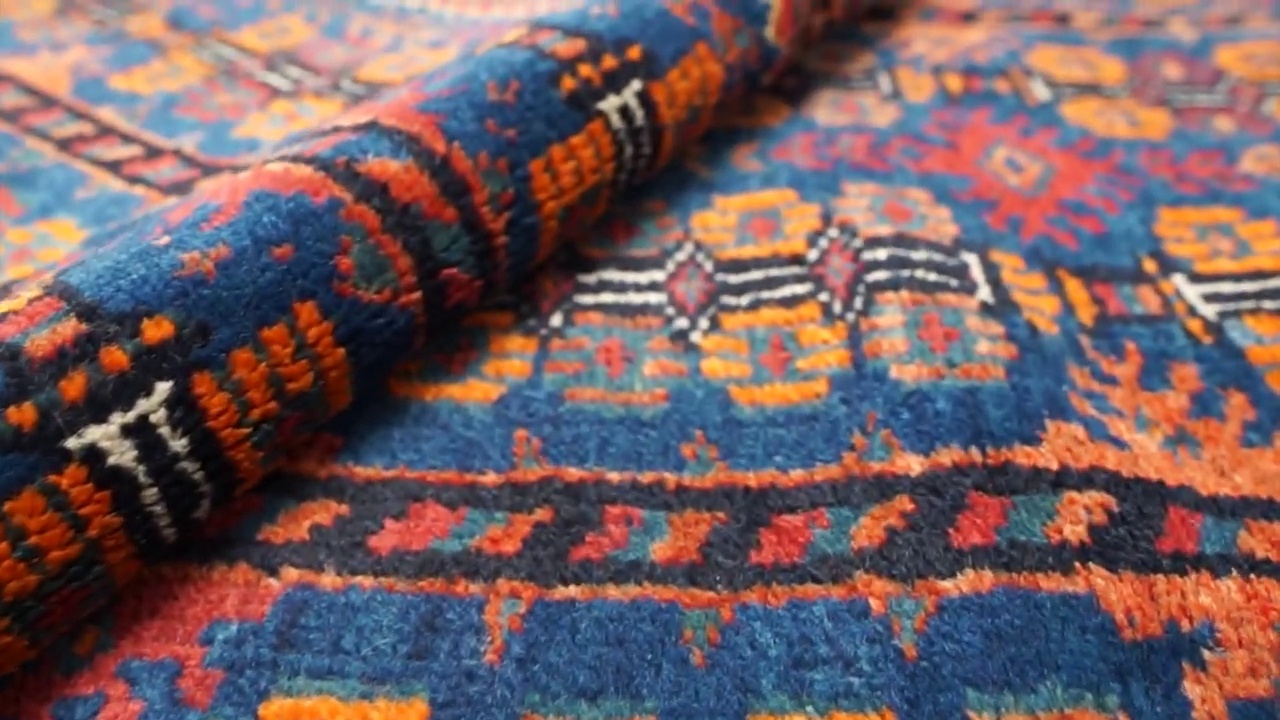
I’m here to show you step-by-step how to distinguish hand-knotted rugs from their machine-made counterparts. By the end of this guide, you’ll be equipped with the knowledge to confidently recognize the artistry and craftsmanship behind each rug.
1. Inspect the Front
Start by observing the front of the rug. Machine-made rugs often exhibit perfectly symmetrical designs and patterns. On the other hand, hand-knotted rugs offer a harmonious blend of patterns, showcasing slight imperfections that reflect their handmade origin.
2. Check the Straightness
Use a tape measure to assess the four edges of the rug. Machine-made rugs tend to have uniform and symmetrical dimensions, while hand-knotted rugs may display subtle variations due to factors like loom contraction or wool expansion.
3. Examine the Back
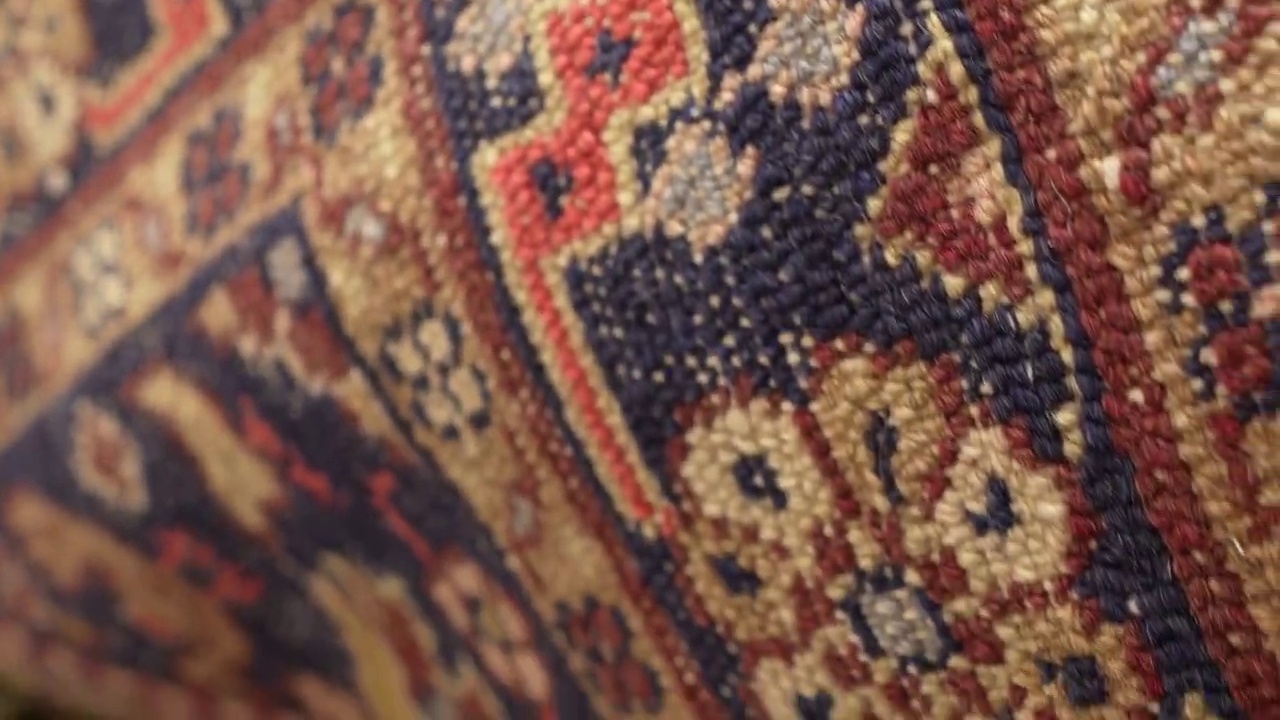
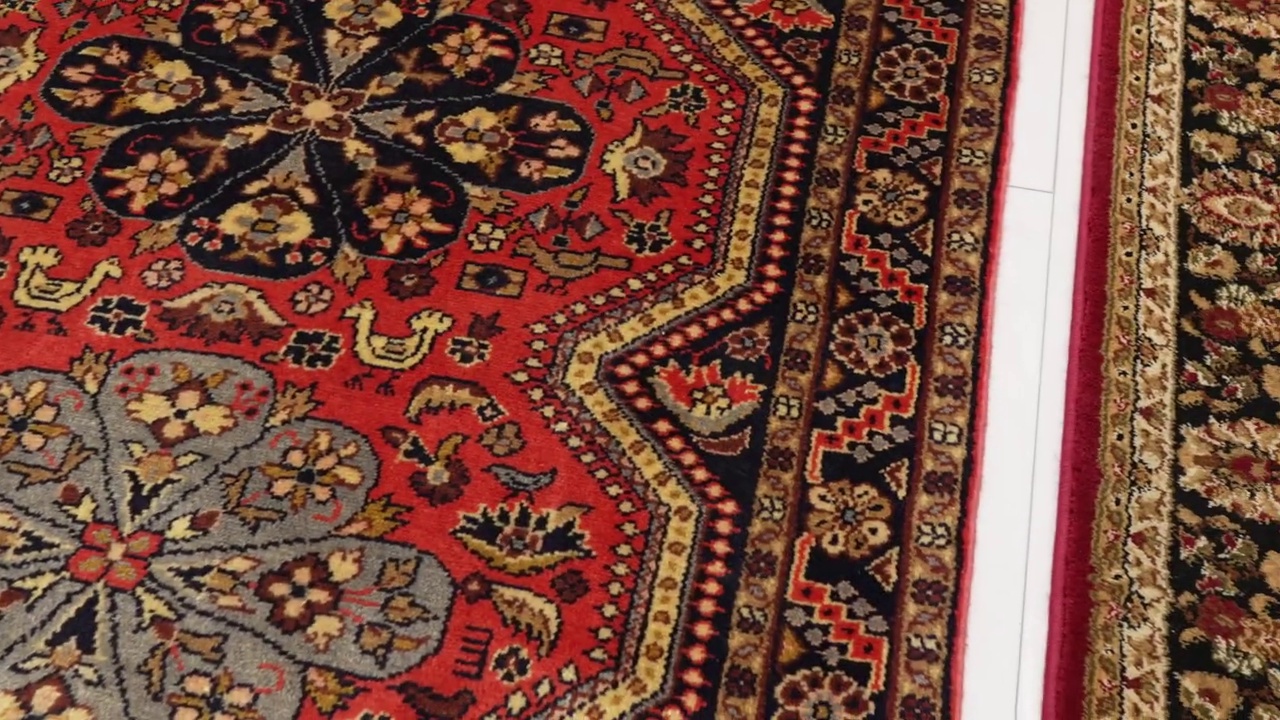
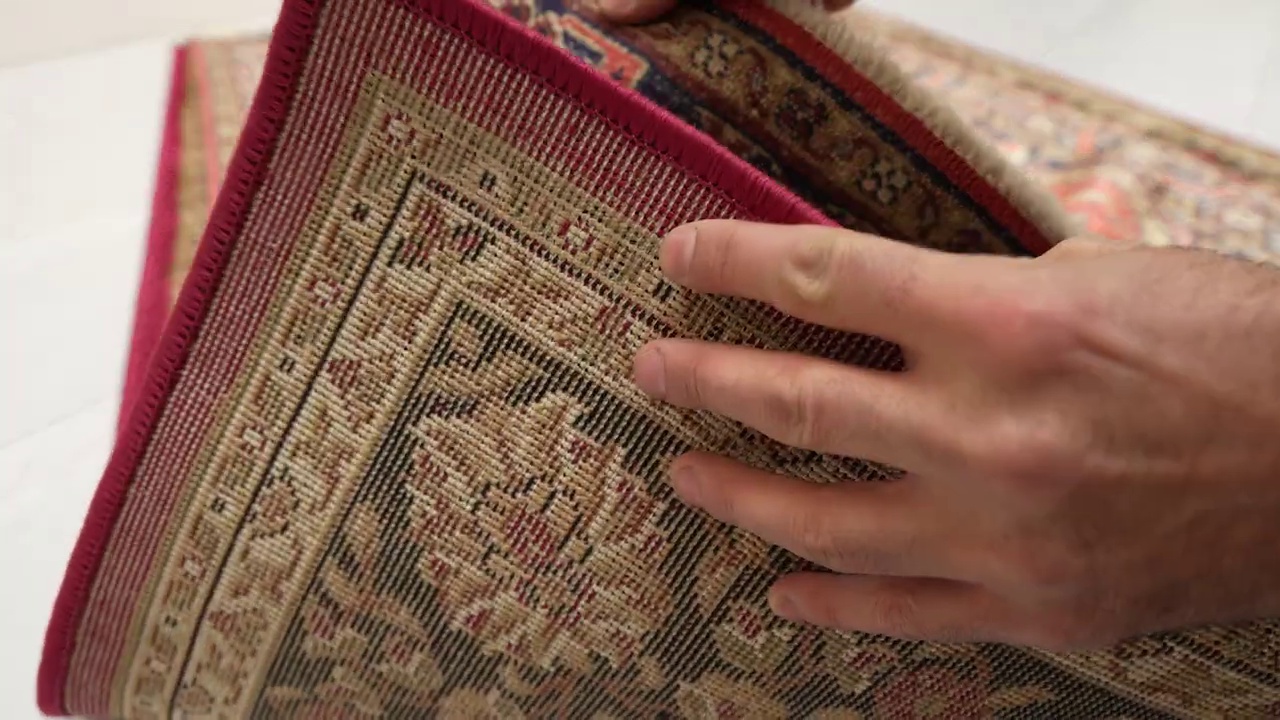
Flip the rug over and feel the back. Machine-made rugs typically have a stiffer, plastic-like feel due to synthetic materials. In contrast, hand-knotted rugs feel softer, as they are made from materials like wool, cotton, or silk. Observe the knots and overall appearance of the back; machine-made rugs are characterized by a honeycomb structure, while hand-knotted rugs showcase patterns, designs, and colors.
4. Inspect the Fringes
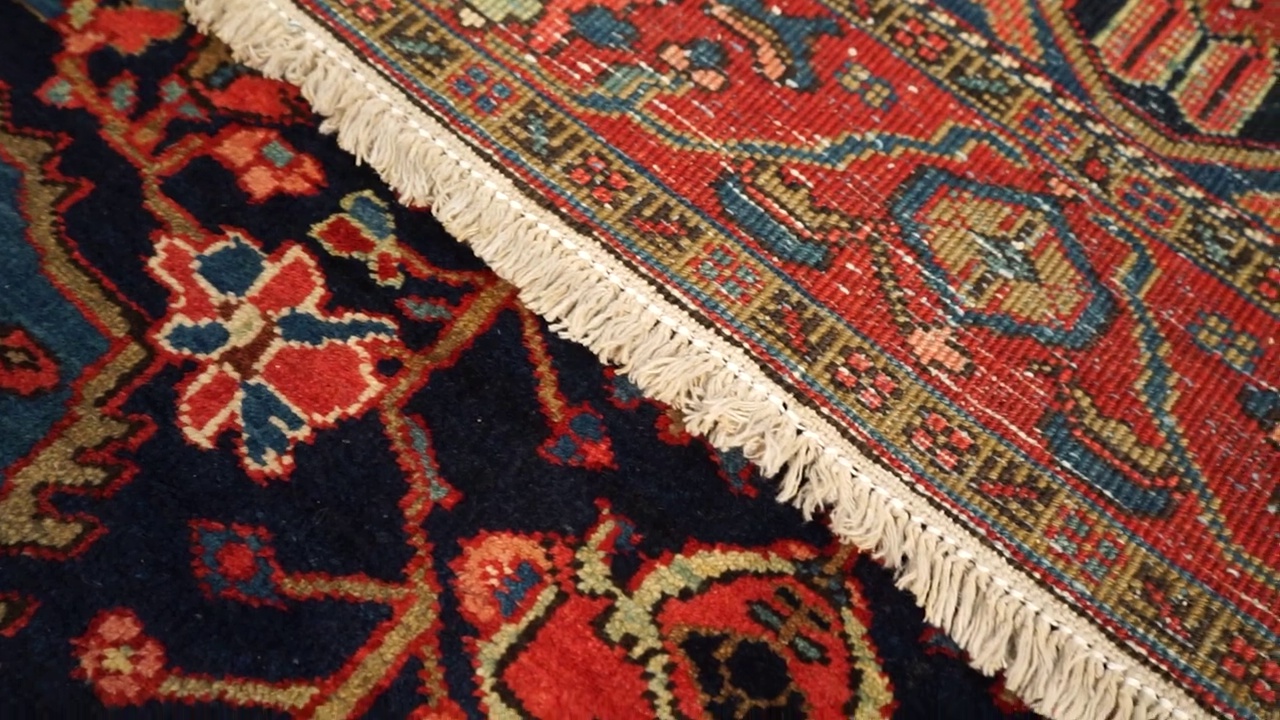
The fringes of a rug can be a telltale sign of authenticity. Machine-made rugs may lack fringes altogether or have uniform synthetic fringes attached separately. Hand-knotted rugs have fringes integrated into the rug’s structure, made from the same materials as the foundation. Look for variations in length and braiding, especially in rugs from tribal or village origins.
Conclusion
With these tactics at your disposal, you’ll be well-equipped to differentiate between hand-knotted and machine-made rugs. As you master the art of rug inspection, you’ll gain a deeper appreciation for the craftsmanship and cultural heritage woven into each piece. Remember to explore Catalina Rug’s extensive collection of hand-knotted Persian and oriental rugs to discover the beauty and history of these exquisite creations. Like, subscribe, and comment below to stay connected with our rug education videos. We look forward to guiding you on your journey of rug appreciation.
Signs of a fake Persian rug
Machine-made copies give themselves away on the back. A printed pattern that looks flat and sharp on the back, perfectly even knots, and fringe sewn on as a separate strip all point to a machine-made rug. Synthetic pile adds a shiny, uniform look that wool rarely shows.
Hand-knotted Persian rugs show small shifts in pattern and color from knot to knot. The back shows the same design as the front in individual knots, and the fringe grows out of the rug foundation instead of sitting on top of it.
Is a Turkish rug real?
Turkish rugs come in both hand-knotted and machine-made forms. A hand-knotted Turkish rug uses wool pile, symmetrical Turkish knots, and color shifts across the field from natural dye batches. The back shows clear individual knots, and the ends often finish in flat kilim weave.
Machine-made Turkish-style rugs copy the look with printed or power-loomed patterns. Even pile, a glued or latex back, and fringe added as a separate strip mark the copy. Price alone settles nothing; the back of the rug settles the question.

Leave a comment