
Sound plays a big role in how comfortable and peaceful your home feels. Many people wonder if carpet helps absorb sound. The answer is yes—carpet can make a room noticeably quieter. Here’s how carpet affects sound and why it’s often used to reduce noise.
Noise moves quickly inside a home. Footsteps echo in hallways, voices bounce off hard walls, and music can travel from room to room. Flooring affects this more than most people think. Carpet often comes up when talking about sound control. While carpet does absorb sound, knowing how it works helps set realistic expectations.
Understanding the Issue
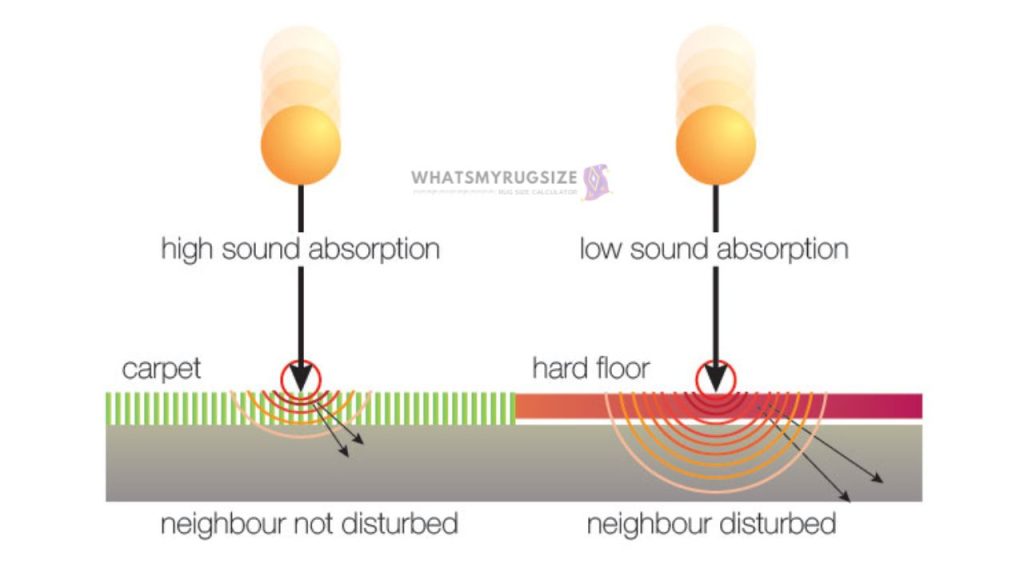
If you live in an apartment, you probably hear noise from your neighbors. Even if you can’t make major changes, you can still reduce sound, especially the impact noise from footsteps and movement. Impact noise is usually harder to manage than airborne noise like voices.
How Sound Behaves Indoors?
Sound moves in waves. When these waves hit a surface, they can bounce back, get absorbed, or pass through. Hard surfaces, such as tile, hardwood, or concrete, reflect sound, which causes echoes and makes rooms louder.
Soft surfaces act differently. Materials with fibers, holes, or padding let sound waves enter. As sound moves through, it loses energy. This is called sound absorption, and carpet is a good example.
Does Carpet Absorb Sound? How Carpet Absorbs Sound?
Yes, carpet absorbs sound using its fibers and the air between them. When sound hits carpet, it does not bounce back as it does on hard floors. The fibers break up the sound waves and change some of the energy into heat.
Carpet padding also matters. The pad under the carpet adds thickness and density. Together, the carpet and pad create a barrier that reduces noise bouncing around and limits the amount of sound that passes through the floor.
These solutions help absorb vibrations and reduce impact noise, enhancing your apartment’s acoustics.
1. Using Area Rugs
One of the simplest and most effective ways to address impact noise is by placing area rugs strategically. Before placing it calculate the rug as your room size. Hard surfaces like wood, laminate, or tile floors can cause vibrations that transmit noise easily.
By introducing a large area rug, you create a buffer that absorbs these vibrations and reduces their transmission. The rug’s texture and thickness play a vital role in how much noise it can effectively absorb.
2. Utilizing Underlays
To enhance the soundproofing capabilities of your area rug, consider using specialized underlays designed for this purpose. These underlays typically consist of a combination of felt and rubber layers.
The rubber layer adheres to the floor, effectively dampening vibrations, while the felt layer contributes to sound absorption. This combination can significantly improve the effectiveness of your area rug in reducing impact noise.
3. Exploring Mass Loaded Vinyl
Mass loaded vinyl (MLV) is a versatile soundproofing material commonly used to address various noise issues, including floor impact noise. While often used beneath floorboards, it can also be employed in apartments with hard surfaces.
Placing sheets or rolls of MLV under your carpet or area rug adds an additional layer of sound insulation, further minimizing vibrations and noise transfer.
Choosing the Right Carpeting for sound absorbing from neighbors
If your landlord is open to investing in soundproofing improvements, consider opting for carpeting. Thicker and shaggier carpets are more effective at absorbing impact noise than thinner ones. To maximize soundproofing benefits, pair the carpet with a layer of mass loaded vinyl underneath. This combination helps reduce the noise that passes through the floor.
Does Carpet Absorb Sound from Neighbours?
Yes, carpet can help lower some noise from neighbors, but it has its limits.
Carpet mainly absorbs impact noise, such as footsteps, moving furniture, or things dropping on the floor above. Thick carpet with good padding can make these sounds much quieter, especially in apartments or multi-story homes.
Carpet is not as good at blocking airborne noise, like voices, TV sounds, or music that comes through walls or ceilings. These sounds move through the building, and carpet alone cannot stop them.
For better results, carpet works best when combined with:
- Thick underlay or acoustic padding
- Insulated floors or ceilings
- Soft furnishings like curtains and upholstered furniture
The Role of Carpet in Sound Absorption
Carpet breaks up sound waves and absorbs some of their energy with its fibers, padding, and backing. This helps make rooms quieter and more comfortable by reducing echoes.
Types of Sound Carpet Absorbs
Carpet is most effective for certain types of noise.
- Airborne noise includes sounds like voices, music, or television. Carpet, especially with a good underlay, helps reduce these noises.
- Impact noise comes from things like footsteps, moving furniture, or dropped objects. Carpet softens these sounds and lowers the noise that reaches rooms below or next to it.
- Pile height and density matter. Thicker, denser carpets absorb more sound than thin, low-pile ones.
- Underlay is important. Adding good padding under the carpet gUnderlay is important. Adding good padding under the carpet makes it much better at absorbing sound. Usually absorb sound more effectively than lighter synthetic ones, but modern synthetics still perform well.
- Padding thickness is very important. A good pad can lower noise even more than changing the carpet itself.
- Room size and furnishings also matter. Carpet works best when you add curtains, soft furniture, and wall decorations.
Carpet vs Hard Flooring for Noise
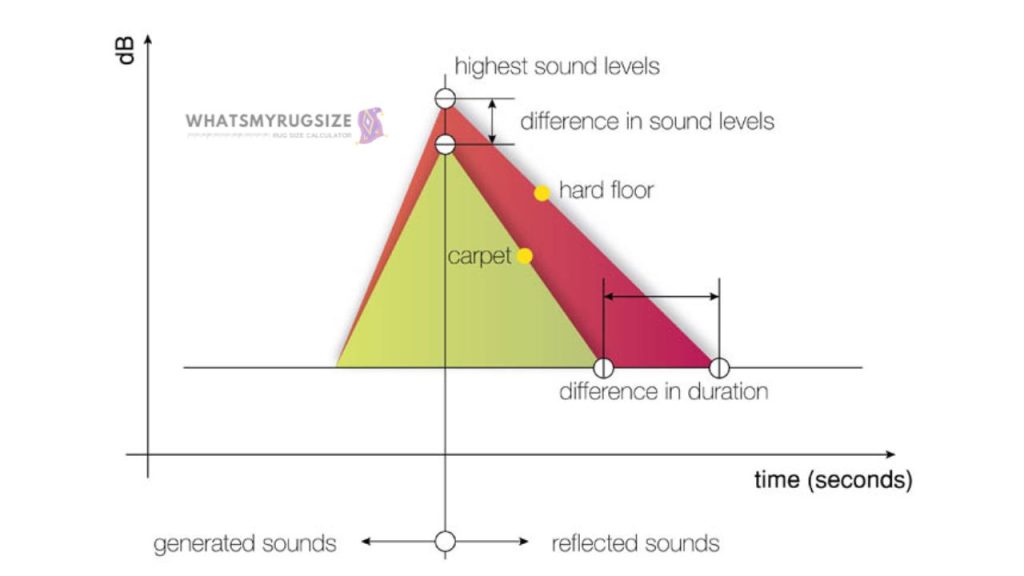
Rooms with hard floors are louder because they reflect sound more effectively. Rugs can help, but wall-to-wall carpet absorbs sound more evenly and makes rooms quieter. (Reducing Noise In Residential Spaces, n.d.)
In apartments and multi-story homes, carpet makes a big difference. Upstairs rooms with carpet are quieter than those with hardwood or laminate floors. Many building codes and lease agreements encourage or require carpet in upper units for this reason. (Design Guide for Interiors DG 1110-3-122, n.d.)
What Carpet Cannot Do?
Carpet does not make a room soundproof. Real soundproofing requires specialized materials that block sound, such as insulation, heavy barriers, or double walls. Carpet only absorbs sound inside the room and lowers some noise that passes through the floor. Expect quieter rooms, less echo, and softer footstep sounds, but not complete silence.
Where Carpet Makes the Most Sense
Carpet is especially useful in bedrooms, living rooms, home offices, and basements. These spaces get less echo and a softer sound. Media rooms and playrooms also benefit, especially with thick padding.
Carpet is not practical in areas with high moisture, like kitchens or bathrooms. In those rooms, area rugs can still help a bit with sound.
Final Thoughts
Carpet absorbs sound and works well for everyday home noise. It reduces echo, softens impact sounds, and helps rooms feel calmer and more comfortable. While it cannot fully soundproof a space,it is still one of the easiest and most affordable ways to improve the sound quality of your home.
If you want to reduce noise and make your space feel more peaceful, carpet is a great choice. It absorbs both airborne and impact sounds, making it a practical and stylish option for homes and businesses. For the best results, use carpet with soft furnishings to enjoy a quieter, cozier space.

I am Zuhe Honorata Ejsmont, I have over 8 years of experience working with rugs and carpets, and I enjoy sharing what I’ve learned through my blog. I’m passionate about helping people find the perfect rug to fit their style and needs. I focus on clear, easy-to-understand advice about different materials, designs, and care tips.
Currently, I serve as a co-founder of WhatsMyRugsize.com. When I’m not writing, I love exploring local markets to discover unique rugs and adding new touches to my own home.